
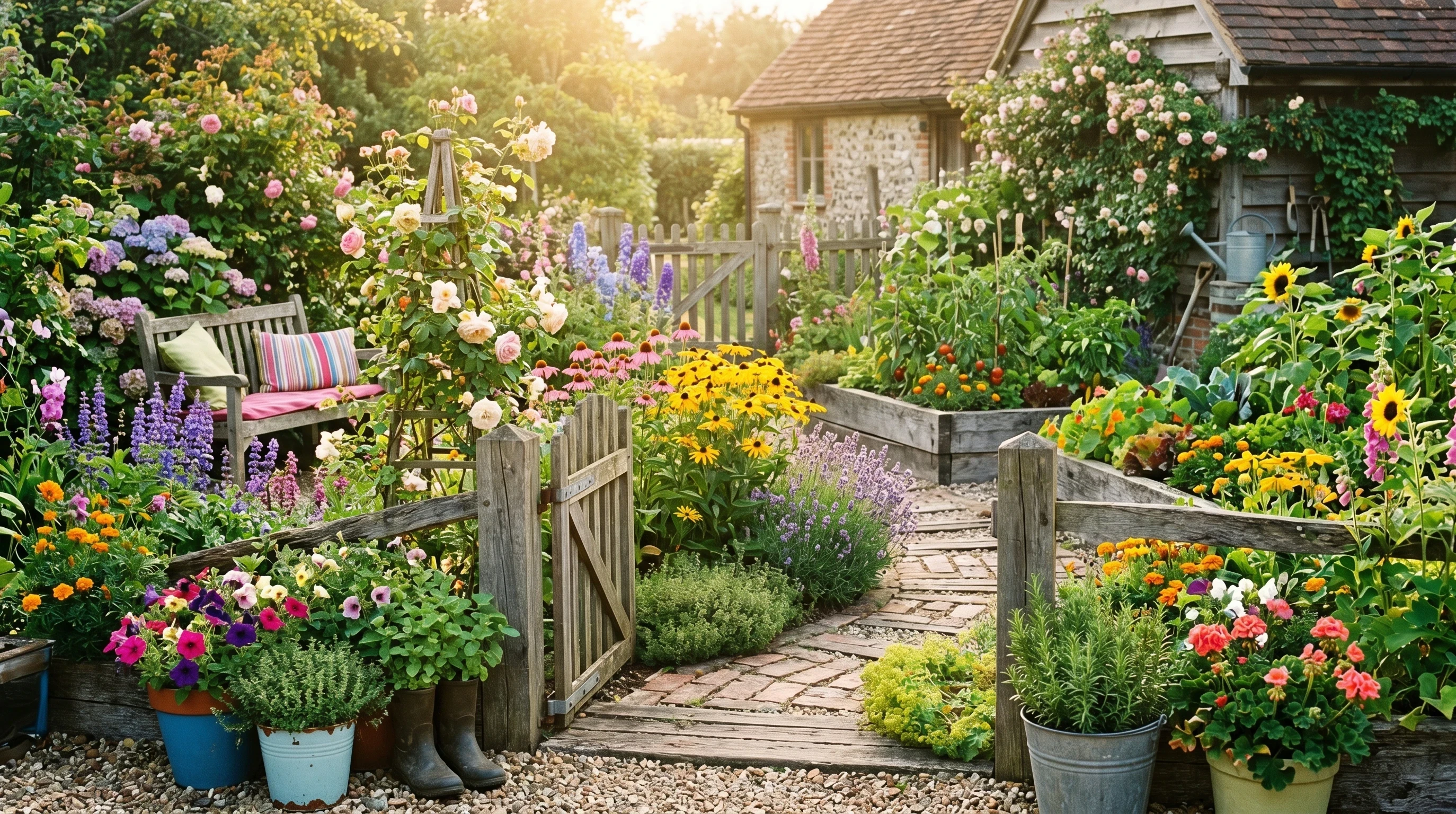
 Jumping into gardening on a budget can feel like a quest to grow green treasures without burning through green cash. A lot of us dream of vibrant gardens but get held back, worrying about costs. The reality? You don’t need a bankroll to see your oasis bloom. So, how to start a garden on a tight budget?
Well, starting a garden doesn’t just offer ripe tomatoes or fragrant herbs, it’s an escape, a slice of nature right at home. It’s also a fantastic way to embrace sustainability, cut down on grocery bills, and even boost your well-being. But, how can we make this happen with an eye on our wallets?
First up, think about the hidden benefits of economic gardening. When you grow your own produce, you’re not just saving money; you’re getting fresher, pesticide-free veggies and herbs. There’s nothing like plucking your own organic salad from the backyard, and it tastes way better than store-bought greens.
Let’s talk sustainable practices. Being a budget gardener isn’t only about spending less, it’s about smarter choices. Upcycling everyday items or creating compost at home not only saves money, it’s good for the planet too. With a thoughtful approach, you can transform your space into a thriving, low-cost garden paradise.
By exploring cost-effective practices and leaning into community resources, you build not just a garden, but a skill set that empowers you to grow smarter, healthier, and cheaper. So, whether you’ve got a spacious backyard or a cozy balcony, budget gardening is totally within reach.
Affordable Supplies: Stocking Your Garden Without Overspending
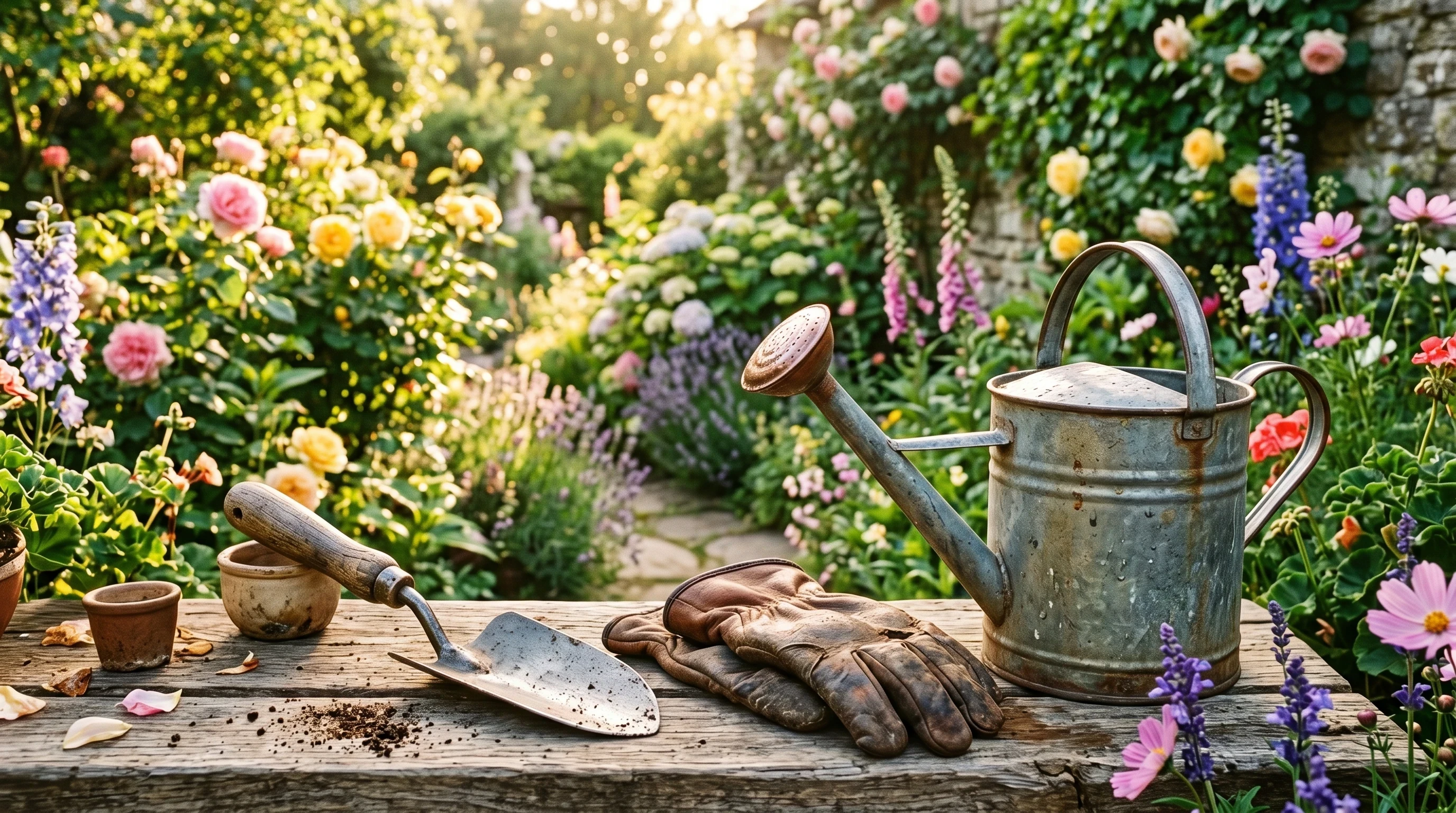
Getting your hands on all the essentials for your new garden adventure doesn’t have to hurt your wallet. The key is keeping an eye out for budget-friendly alternatives. Forget pricey garden centers and let’s explore smarter options.
Let’s start with tools. Most garden tasks require just a handful of basic items: think a sturdy trowel, a trusty pair of gloves, and maybe a watering can. But don’t rush to buy them new. Check garage sales, flea markets, or online “Free Stuff” listings. You’d be surprised at how many folks are giving away gardening gear they no longer need.
Okay, but what about containers and planters? Fancy pots can really rack up costs, so consider upcycling household items. Old colanders, boots, or even tin cans make excellent, unique planters. Just ensure they’ve got drainage holes and you’re good to grow!
Speaking of supplies, soil and compost are the next big ones. It’s tempting to buy fresh bags, but before you do, see what’s available locally for free or for cheap. Many municipalities offer free or low-cost mulch and compost. Just swing by and load up.
For the crafty among us, repurposing DIY-style can save a ton and look great in the yard. Turn pallets into quirky plant stands or hangers. Upcycle wine bottles into garden borders or irrigation systems. Ideas abound if you’re willing to get creative!
Stocking your garden smartly boils down to keeping your eyes open for bargains and thinking outside the box. With some nifty tricks and a bit of scouting, you’ll keep costs low and creativity high.
Smart Gardening Strategies: Savings in Every Step
Growing your garden without overspending is all about resourcefulness and planning. One of the smartest moves you can make is growing from seeds instead of buying seedlings. Those tiny seed packets are not only cheaper but also give you more control over the process. Direct sowing straight into the soil saves you money, while starting seeds indoors can stretch the growing season and letting you harvest earlier and longer.
Seeds aren’t the only way to fill your garden with life. Organizing or joining seed swaps with other gardeners is another savvy tip. It’s like a free pass to a variety of plant species! Plus, it transforms gardening into a communal affair, deepening your connection with fellow plant enthusiasts. Just remember to avoid saving patented seeds, as they’re often protected by intellectual property laws.
Now, if you’ve got a green-thumbed buddy or neighbor, it’s time to get chatty. Propagating plants from cuttings is a fantastic budget hack. Plenty of perennials, shrubs, and vines will thrive from just a snip or two. It’s as simple as asking for cuttings and rooting them in a bit of moist perlite to coax out roots. Before you know it, you’ve got a whole new plant for free!
Finding new ways to repurpose cast-off stuff is another brainy move. Old ladders make great outdoor display racks. Even broken terra cotta can add rustic charm as edging. Upcycling uses what you’ve got creatively, saving money on expensive garden decor and structures. Your garden will gain character without needing a designer budget.
Lastly, take advantage of free local resources. Some folks are happy to give away bamboo or stone, perfect for building and decorating. Keep an ear to the ground and think creatively about what’s available in your area. You may just find the cornerstone for your next project lying at the side of the road.
Advanced Techniques for Saving: Long-Term Cost Efficiency
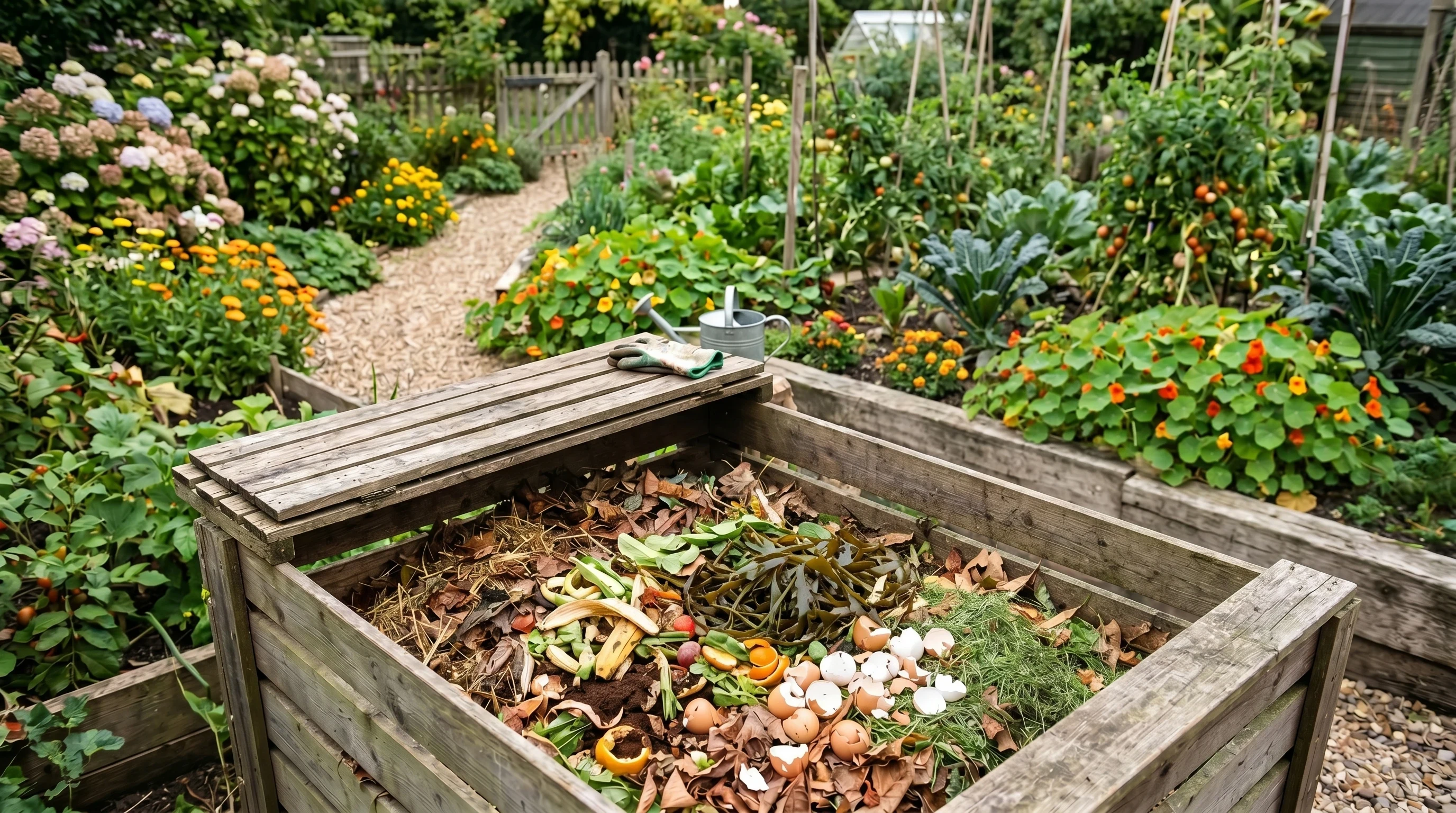
Ensuring your garden remains a budget-friendly endeavor year after year involves smart planning and some sneaky tactics. One solid investment? Making your own compost. With kitchen scraps, leaves, and grass clippings, you can whip up nutrient-rich fertilizer right at home. Toss in crushed eggshells for a calcium boost and if you’re near the coast, properly rinsed seaweed brings micronutrients aplenty!
Tracking down free mulch and compost can make a difference too. Many tree services are eager to give away wood chips, perfect for moisture retention and weed control. Some cities even have municipal compost programs, giving away or selling compost dirt cheap. Just peek inside it before bringing it home, because really no one wants surprise weeds.
Organic gardening is a cornerstone of cost-saving tactics. Natural pest control doesn’t just protect your plants, it wards off wallet-draining chemicals. Encourage beneficial bugs like ladybugs or opt for companion planting methods. Mulching with materials like straw or using cardboard is a cheap weed defense and it breaks down well into the soil too.
Cover crops are another long-term saver. They improve soil health while cutting back on fertilizer needs. Got a neighbor with goats? They’re not just cute but they can help keep pesky weeds in check naturally.
Consider bartering as a quiet hero in your gardening toolbox. Online groups and local communities often have folks willing to trade plants, produce, or gardening gear. It’s a win-win situation, the joy of new garden treasures without spending extra.
These advanced strategies might need some effort and planning on your part, but they add up to a blooming, budget-friendly garden. A thoughtful mix of DIY efforts and natural solutions keeps your garden thriving and your expenses in check. With these strategies, you’re all set to cultivate a garden wonderland without busting your budget.